During this wild pandemic I think sleep is something we’re all getting enough of. That is a great thing! Sleep is overlooked in so many ways. Sometimes we stay up to watch another episode of that Netflix show, maybe we stay up that extra hour studying, or maybe we eat too much sugar before bed and we can’t settled in bed. These are all real things that keep us up at night even if we don’t realize it.
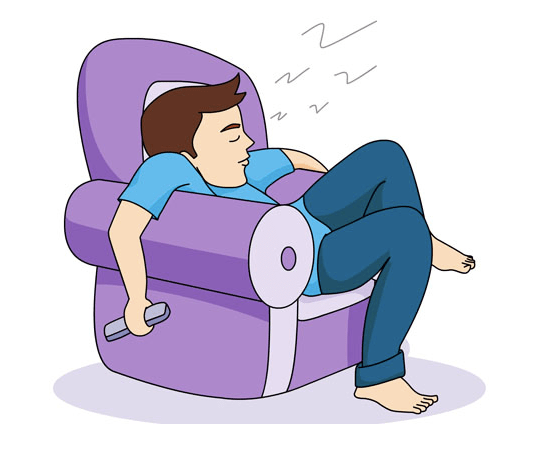
The truth is that getting a good amount of sleep plays a vital role in your health. It is just as important as eating nutritious meals and staying active. While you sleep your body is working to support healthy brain function, and for teenagers it helps growth and development for the body. Also, if you’ve completed a tough workout during the day it’s important to get plenty of sleep that night. Sleep is involved in healing your muscles, blood vessels and your heart.
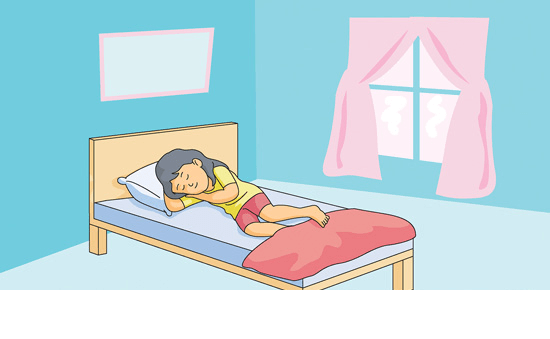
There are a lot of scary things that can happen if you don’t get enough quality sleep. For one, sleep deficiency can increase the risk in obesity. Believe it or not, healthy levels of sleep balance the hormones that make you feel hungry or full. Why is this important? Well, if you give your body and mind good sleep you will wake up feeling less hungry. Therefore, your meals will be balanced throughout the day and you won’t eat any quick snacks that are unhealthy. If you are running on a short night of sleep, during the next day your body will need fuel to stay awake. The only fuel that your body will be able to intake will be food. Too much food to keep your body going could result in… You guessed it, obesity.

Dr. Kristen Gill Hairston, is an assistant professor of endocrinology and metabolism at Wake Forest Baptist Medical Center in North Carolina. She sheds some light on the subject by saying, “We put a lot of stock in diet, but research brought up some interesting questions about the way we live. We may need to start looking at other behaviors besides daily food choices that could be contributing to the obesity epidemic in younger age groups. We definitely know that a relationship exists between sleep and obesity, but now we need to know how this relationship can be modified. It will be important for future obesity research to consider sleep patterns and the effect they can have on outcomes.” Dr. Hairston then continues to explain how Physicians should gather information about sleep patterns when seeing patients for health issues.
So, for me, I know that this quarantine may not have been the best thing for my sleep schedule. Talking to my friends they seem to agree with that. Without getting up in the morning for class we are staying up too late at night and sleeping in too late in the morning. Another thing that we all may be guilty of is being in contact with technology right before bed. When I was younger my parents would tell me that being in front of the television right before bed was going to prevent me from sleeping well. After doing some research it turns out that they were right!
The website, sleepfoundation.org provides interesting information and facts that scientists have proven that lead to better sleep. They explain the signs your sleep quality needs to improve:
•It takes you more than 30 minutes to fall asleep after getting into bed.
• You have been diagnosed as having insomnia.
• You regularly wake up more than once per night.
• You find yourself staying awake for more than 20 minutes after waking up in the middle of the night.
• You spend less than 85 percent of your time in bed asleep.
I know that for me, some nights it takes me longer than 30 minutes to fall asleep after getting in bed. Maybe you see some things on this list that describe your sleep quality. If that’s the case there’s no need to fear! The website also offers ways to improve sleep quality!
• Stop watching television or using electronic devices like a laptop or cellphone at least 30 minutes before bedtime. The blue light that’s emitted from these gadgets can make it difficult to fall asleep.
• Set your bedroom thermostat to somewhere between 60 and 67 degrees Fahrenheit. Sleeping in a room that is either too warm or too cool interferes with your body’s ability to drift off.
• Follow a consistent sleep schedule. Having poor bedtime habits, such as going to bed too early (before you’re tired) or too late (when you’re overly tired) can make it more difficult to sleep soundly.
• Create a relaxing pre-bedtime routine, such as taking a bath or reading a book. Engaging in high-energy or stressful activities lowers the odds of an easy transition to sleep.
The science behind sleep is very complex. There are a lot of positives that come from good sleep, and there are a lot of negatives that come from bad sleep and bad sleeping habits. Next time you are debating on whether or not to hit “Next Episode” on that Netflix show that you’re binging late at night, just remember that good sleep is the key to a healthy lifestyle.
For More Information Visit:
https://www.medicalnewstoday.com/articles/325353
https://www.nhlbi.nih.gov/health-topics/sleep-deprivation-and-deficiency
 Mark's Fitness and Nutrition Blog